
The Galápagos Islands do not follow standard tropical climate patterns; instead, their seasons are defined by powerful shifting ocean currents. These marine movements regulate water temperatures, nutrient availability, and breeding schedules for iconic land and sea species across the archipelago.
The Warm Season of Calmer Seas and Lush Highlands
From December through May, the warm Panama Current creates tropical weather conditions with sunny skies and glassy ocean waters. This period brings vibrant green foliage to volcanic slopes and optimal water clarity for snorkeling. Land tortoises migrate to lowland feeding grounds, while green sea turtles gather along sandy beaches to lay eggs.
The Cooler Season of Abundant Marine Life
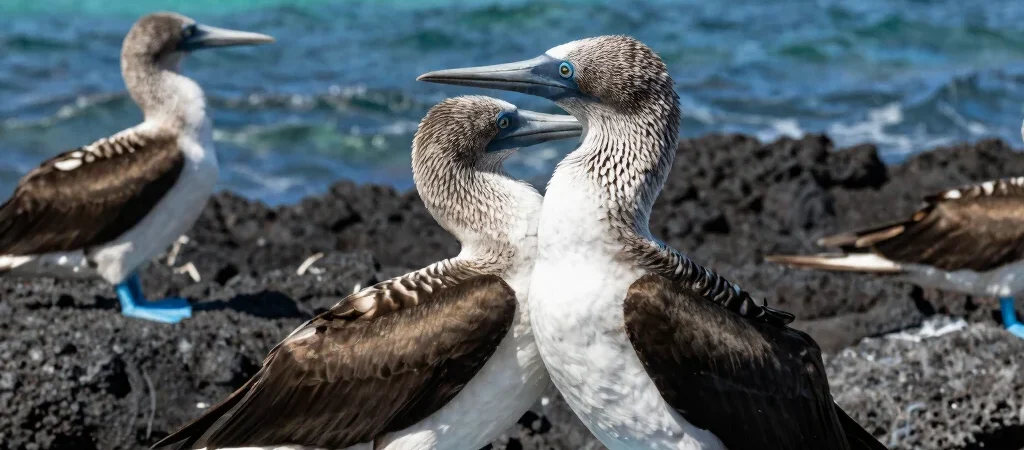
Between June and November, the cool Humboldt Current surges northward, bringing nutrient-rich waters that draw massive schools of fish, whale sharks, and seabirds. Although sea temperatures dip and mist covers the highlands, marine life activity reaches its peak. It is an extraordinary period for snorkeling alongside agile sea lion pups and observing blue-footed boobies in courtship display.
Tailoring Your Itinerary to Wildlife Priorities
Every month offers distinct ecological events across different islands. Consulting with travel specialists allows you to align your departure date with rare phenomena like the waved albatross nesting on Española or flamingos tending chicks on Cormorant Point. Matching your travel window with seasonal wildlife behavior ensures an authentic, high-reward expedition.